
Are You Making These 7 Common Mistakes When Choosing Your Political Party?
- Christopher M. Michaud

- Dec 7, 2025
- 5 min read
Choosing a political party shouldn't feel like picking sides in a never-ending hockey rivalry. Yet for many Canadians, that's exactly what it's become, a loyalty game that ignores what actually matters for our families, communities, and country.
If you've ever felt frustrated by the options on your ballot, or wondered why politics seems more about winning than solving problems, you're not alone. Many of us are making the same predictable mistakes when choosing who to support, and it's time we talked about them.
Here are seven common pitfalls that keep Canadians stuck in a broken political cycle, and what real representation actually looks like.
1. Voting Out of Family Tradition Instead of Current Reality
The Mistake: "My family has always voted [Party X], so I vote [Party X]."
This might have worked when your grandparents' generation faced different challenges, but today's Canada needs today's solutions. What made sense in 1985 might not address housing costs, climate change, or technological disruption in 2025.
What Real Representation Looks Like: Politicians who acknowledge that times have changed and adapt their policies accordingly. They respect tradition while recognizing that blind loyalty to outdated approaches won't pay your rent or secure your retirement.
Smart political parties evolve with the times. They take the best ideas from past policies and update them for current challenges, rather than clinging to ideology that worked for a different generation.

2. Making Decisions Based on Single Issues Only
The Mistake: Choosing a party because they promise exactly what you want on one specific issue, healthcare, taxes, or environment, while ignoring everything else.
Single-issue voting might feel satisfying, but governing involves hundreds of interconnected decisions. The party that promises to cut your taxes might also gut the services you rely on. The one focused solely on climate action might ignore the economic transition needed to make environmental policies sustainable.
What Real Representation Looks Like: Politicians who understand that every policy connects to every other policy. Real leaders explain these connections honestly instead of pretending simple solutions exist for complex problems.
For example, addressing housing costs requires coordination between federal immigration policy, provincial zoning laws, and municipal development processes. A party that only focuses on one piece of this puzzle isn't offering real solutions.
3. Falling for Extreme Rhetoric Instead of Practical Solutions
The Mistake: Getting swept up by politicians who promise to "completely transform" everything or "fight the establishment" without explaining how they'll actually improve your daily life.
Extreme promises usually mean extreme disappointment. Politicians who speak only in dramatic language rarely deliver dramatic results, because real change happens through careful policy work, not through speeches that sound like movie trailers.
What Real Representation Looks Like: Leaders who use clear, specific language about what they can realistically accomplish and how they plan to do it. They focus on incremental improvements that actually work rather than revolutionary promises that sound good but never materialize.
Real leaders also admit when problems don't have perfect solutions and explain the trade-offs involved in different approaches.
4. Not Researching Actual Policy Positions
The Mistake: Choosing based on campaign slogans, social media posts, or what you heard someone say about a party, rather than reading their actual policy platform.
Campaign messaging is designed to grab attention, not provide detailed information. "Make life more affordable" sounds great, but what specific policies will actually reduce your costs? How will they pay for these changes? What are the potential unintended consequences?
What Real Representation Looks Like: Parties that publish clear, detailed policy documents you can actually read and understand. They explain not just what they want to do, but how they plan to do it, what it will cost, and what trade-offs are involved.

Look for politicians who can discuss their policies in depth during interviews and town halls, not just recite talking points.
5. Choosing Personality Over Substance
The Mistake: Voting for someone because they're charismatic, good-looking, or say things that make you feel good, regardless of their actual qualifications or policy positions.
Political leadership isn't a popularity contest. The person who gives the best speeches might not understand economics. The one who seems most relatable might lack the expertise to negotiate international trade agreements.
What Real Representation Looks Like: Leaders with relevant experience and demonstrated competence in the areas that matter most to governance. They might not be the most exciting people at parties, but they understand how to build consensus, manage large organizations, and implement complex policies.
Real leaders also surround themselves with qualified advisors and admit when they don't know something, rather than pretending to be experts on everything.
6. Ignoring Your Local Representative
The Mistake: Focusing only on party leaders and ignoring the actual person who will represent your community in Parliament.
Your Member of Parliament matters more than you might think. They're the ones who respond to your concerns, advocate for local projects, and vote on legislation that affects your daily life. A weak local candidate from your preferred party might be worse for your community than a strong candidate from a different party.
What Real Representation Looks Like: Local candidates who actually live in your community, understand local issues, and have a track record of getting things done. They hold regular town halls, respond to constituent concerns, and can explain how national policies will affect your specific area.
Look for MPs who are accessible and accountable to local voters, not just party leadership.
7. Not Considering Long-Term Consequences of Polarization
The Mistake: Supporting increasingly polarized politics because "at least my side is winning" without considering how this affects the country's ability to solve problems.
When politics becomes purely about defeating the other side, everybody loses. Polarized governments struggle to build the broad consensus needed for major challenges like infrastructure investment, healthcare reform, or economic transition. They spend more time fighting than governing.
What Real Representation Looks Like: Politicians who can work across party lines to find solutions that most Canadians can support. They understand that lasting change requires broad consensus, not narrow victories that get reversed every election cycle.
This doesn't mean compromising on core values, it means distinguishing between fundamental principles and tactical preferences, and being willing to work with anyone who shares your commitment to making Canada better.
What Practical Politics Actually Looks Like
Real political representation isn't about left versus right or "us versus them." It's about finding practical solutions that work for real people dealing with real challenges.
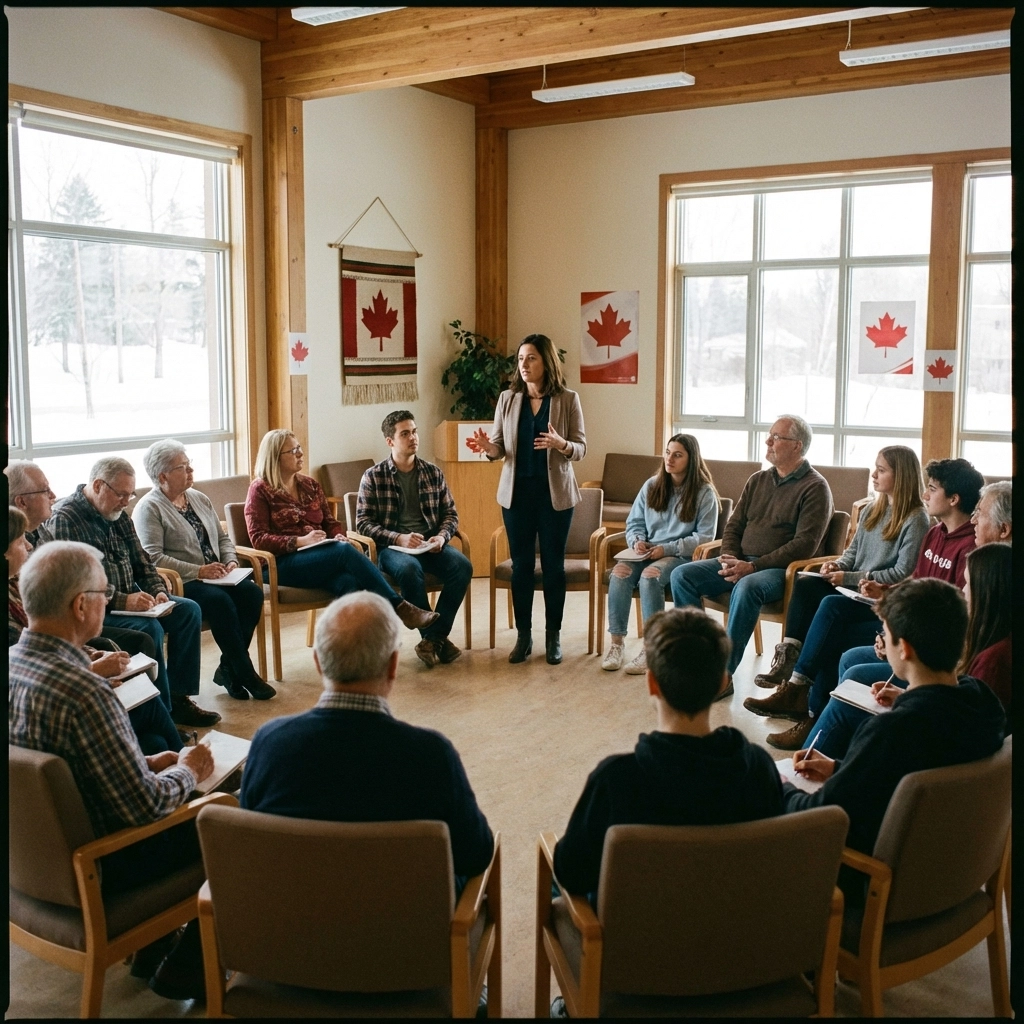
Practical politicians focus on results, not rhetoric. They explain trade-offs honestly instead of promising impossible outcomes. They build coalitions that can actually implement policies rather than just score political points.
Most importantly, they remember that the goal isn't to win political games: it's to improve people's lives and strengthen our communities.
Moving Beyond the Mistakes
If you've recognized yourself in any of these mistakes, don't worry: most of us have fallen into these traps at some point. The important thing is recognizing them and choosing differently going forward.
Start by asking different questions: What specific policies will actually address the challenges I care about? Who has the experience and temperament to implement these policies effectively? Which candidates can work with others to build lasting solutions?
And remember: you don't have to choose between parties that seem to care only about their most extreme supporters. There are politicians and parties focused on finding practical solutions that work for the broad middle of Canadian society.
The future of Canadian politics doesn't have to be about choosing the least bad option. It can be about supporting leaders who actually want to solve problems and bring people together around shared values like opportunity, fairness, and community.
That's what real representation looks like, and that's what Canadians deserve.
Looking for a political home that focuses on practical solutions over partisan games? Learn more about the United Canadian Centrists and discover what centrist politics can offer your community.

Comments