
Why Is Everything So Expensive? The Top 5 Factors Making Life Pricier in Canada
- Christopher M. Michaud

- Dec 28, 2025
- 5 min read
If you've been to the grocery store lately, filled up your gas tank, or looked at your insurance bill, you've probably asked yourself this exact question. You're not alone: millions of Canadians are feeling the pinch as everyday expenses continue to climb. While political parties on both ends of the spectrum point fingers and offer simplistic solutions, the reality is more complex.
Understanding what's actually driving up costs is the first step toward finding practical solutions that work for all Canadians. Let's cut through the rhetoric and examine the five key factors making life more expensive across our country.
1. Grocery Store Sticker Shock: Food Inflation Hits Hard
Walk into any Canadian grocery store today, and you'll immediately feel the impact of food inflation. Currently running at 5-7% year-over-year, well above typical inflation rates: food costs are squeezing household budgets like never before.
The numbers tell a stark story: a family of four is projected to spend approximately $16,833 on food in 2025, or about $1,402 every month. But here's the kicker: 2026 looks even tougher. Food prices are expected to rise another 4-6%, meaning that same family could be paying nearly $1,000 more annually for groceries, marking a 16-year high in food spending.

What's driving these increases? Several factors are at play:
Global supply chain disruptions continue to affect food distribution
Climate-related crop challenges impact both domestic and imported foods
Rising energy costs increase transportation and storage expenses
Labor shortages in agriculture and food processing sectors
This isn't just about expensive avocados or imported luxuries: basic staples like bread, milk, and vegetables are all affected. For many Canadian families, food inflation means making tough choices between nutrition and budget.
2. Housing: Still Expensive, But Progress Is Being Made
Canada's housing market has long been a source of financial stress for many citizens. We remain one of the most costly countries to live in globally, primarily due to housing costs. However, there's a glimmer of hope in recent data.
The national affordability gap has actually shrunk significantly: from 80% to 34% since 2023. This improvement suggests that while housing remains expensive, it's becoming more accessible to more Canadians. Still, experts estimate you'll need at least $2,330 every month just to cover basic living costs in Canada.
The housing challenge varies dramatically across regions:
Urban centers like Toronto and Vancouver continue to see premium prices
Smaller cities are experiencing rapid growth as people seek affordability
Rural areas offer lower costs but often lack employment opportunities
While political promises about housing solutions abound, the reality is that sustainable change requires balanced policies that increase supply without destabilizing the market: exactly the kind of centrist approach that avoids extreme measures while delivering results.
3. Insurance Premiums: The Hidden Budget Killer
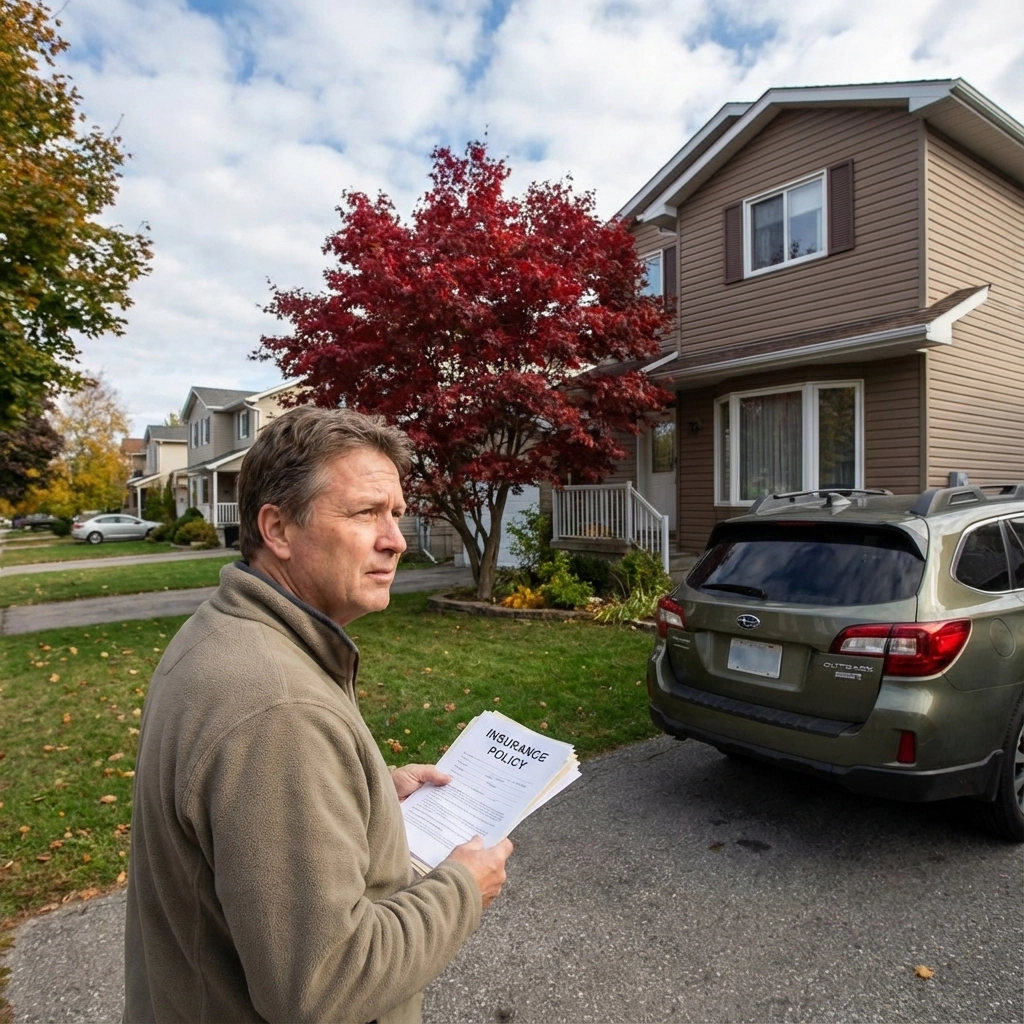
Here's a cost increase that often flies under the radar until renewal time hits. Insurance premiums have been climbing steadily, affecting both homeowners and vehicle owners across Canada.
The data is eye-opening:
Homeowners' insurance rose 6.8% year-over-year in October 2025
Vehicle insurance premiums climbed 7.3% in the same period
Over the longer term since October 2020, homeowners' insurance has increased 38.9% nationally
Vehicle insurance has risen 18.9% over the same period
Several factors contribute to these increases:
Extreme weather events have increased claim frequency and severity
Rising construction costs make home repairs more expensive
Vehicle theft and vandalism rates have increased in many urban areas
Supply chain issues affect the cost of replacement parts
For many Canadians, insurance feels like a necessary evil: required by law for vehicles and by lenders for homes, yet increasingly expensive. This creates a particular burden for middle-income families who don't qualify for subsidies but struggle with the rising costs.
4. Property Taxes: The Municipal Money Grab
Property taxes might not get the headlines that gas prices do, but they're steadily eating into household budgets. Across Canada, property taxes and special charges rose 5.6% year-over-year in 2025: a slight improvement from the 6.0% increase in 2024, but still well above inflation.
The impact varies significantly by province and municipality. Manitoba, for example, saw a staggering 19.5% increase in 2025, driven partly by higher sewer charges and garbage fee increases in Winnipeg.
Why are property taxes rising so quickly?
Municipal infrastructure needs require significant investment
Population growth strains existing services
Downloading of provincial responsibilities forces municipalities to find revenue elsewhere
Climate adaptation costs for flood protection, storm management, and resilient infrastructure
Property taxes affect everyone: homeowners directly, and renters indirectly as landlords pass costs along. Unlike income taxes, property taxes don't adjust for ability to pay, making them particularly challenging for seniors on fixed incomes and young families stretching to afford their first homes.
5. Services Getting Pricier: From Haircuts to Hotel Stays
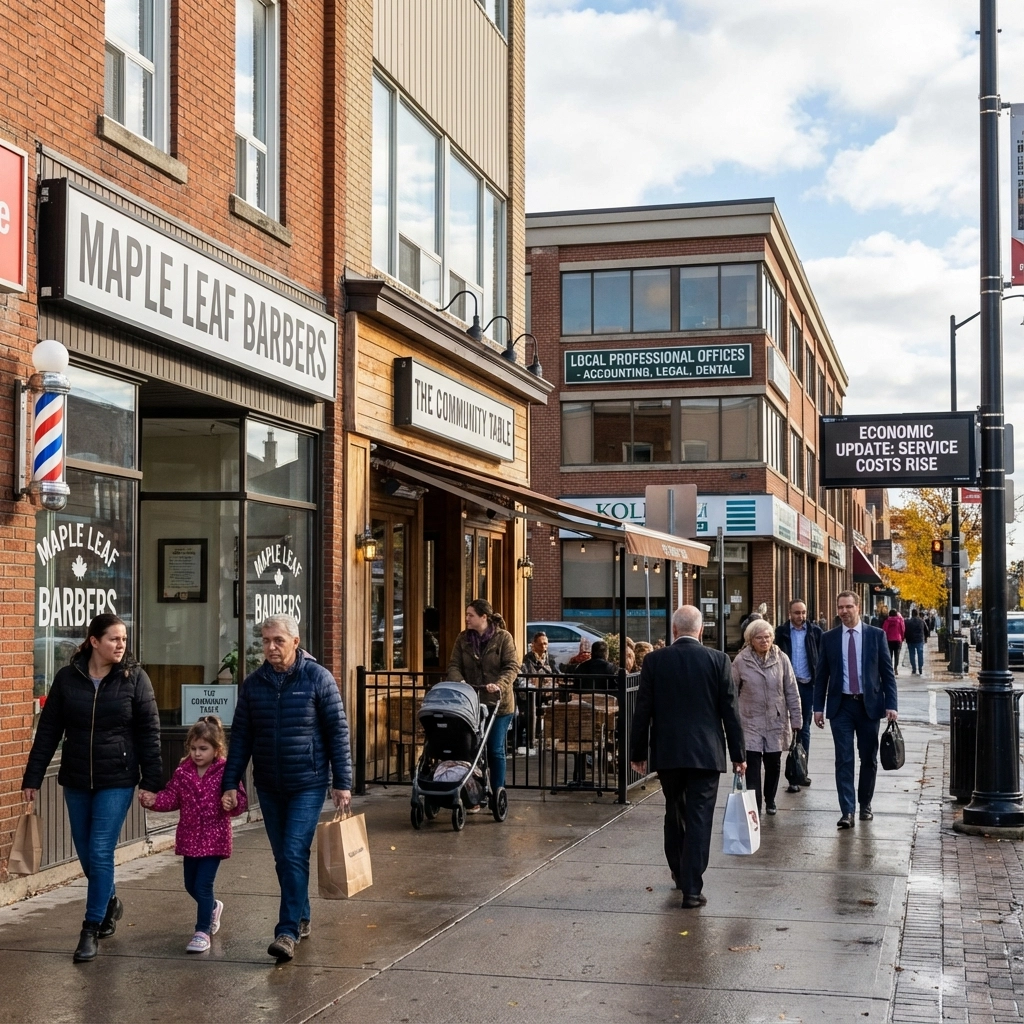
Beyond the big-ticket items, everyday services are also becoming more expensive. In November 2025, prices for services rose 2.8% year-over-year: though this represented a slower pace than the previous month, it still outpaced overall inflation.
This category includes:
Personal services like haircuts, dental work, and home repairs
Travel and accommodation costs for both business and leisure
Restaurant meals and entertainment expenses
Professional services from lawyers to accountants
Service price increases often reflect:
Higher labor costs as wages rise to attract workers
Increased rent for service business locations
Professional liability insurance costs rising
Technology and equipment upgrades becoming more expensive
While a 2.8% increase might seem modest compared to food or housing costs, it adds up quickly when applied to dozens of services we all use regularly.
Making Sense of It All: A Centrist Perspective
These five factors: food inflation, housing costs, insurance premiums, property taxes, and service price increases: don't exist in isolation. They're interconnected parts of a complex economic system that requires thoughtful, balanced solutions rather than knee-jerk political reactions.
The extremes offer simple answers: either slash government spending dramatically or increase it massively. But real solutions require nuance:
Supporting local food production without protectionist policies that raise prices further
Increasing housing supply through zoning reform and infrastructure investment, not just subsidies or restrictions
Working with insurance companies on climate adaptation rather than just regulating prices
Helping municipalities find sustainable revenue sources beyond property taxes alone
Investing in productivity to help service sectors manage costs while maintaining quality
As Canadians, we deserve leaders who understand these complexities and work toward practical solutions that balance multiple interests. We need policies that help families manage today's costs while building a more affordable tomorrow.
The rising cost of living isn't just an economic issue: it's about ensuring every Canadian can build a good life without constantly worrying about next month's bills. That's a goal worth working toward together, with the practical, balanced approach that has always defined our country at its best.
Ready to be part of the solution? Learn more about how centrist policies can address affordability challenges at uccparty.ca.

Comments